Keston Village wedding flowers guide for Hayes Lane couples
Posted on 24/09/2026
Planning wedding flowers sounds dreamy right up until you realise there are about fifty tiny decisions hiding inside it. Which blooms suit the venue? What holds up in the car? How many buttonholes do you actually need? If you are a Hayes Lane couple looking at a Keston Village wedding flowers guide, you probably want something practical, local, and calm rather than a generic checklist that forgets what a real wedding morning feels like.
This guide is written for couples who want flowers that look beautiful in photographs, feel right for the setting, and are sensible to plan. We will cover style choices, seasonal thinking, budgeting, delivery timing, best practice, and a few mistakes that are easy to avoid once you know what to look for. Let's make the flower side of the day feel a lot less mysterious. And yes, it can be easier than it first appears.
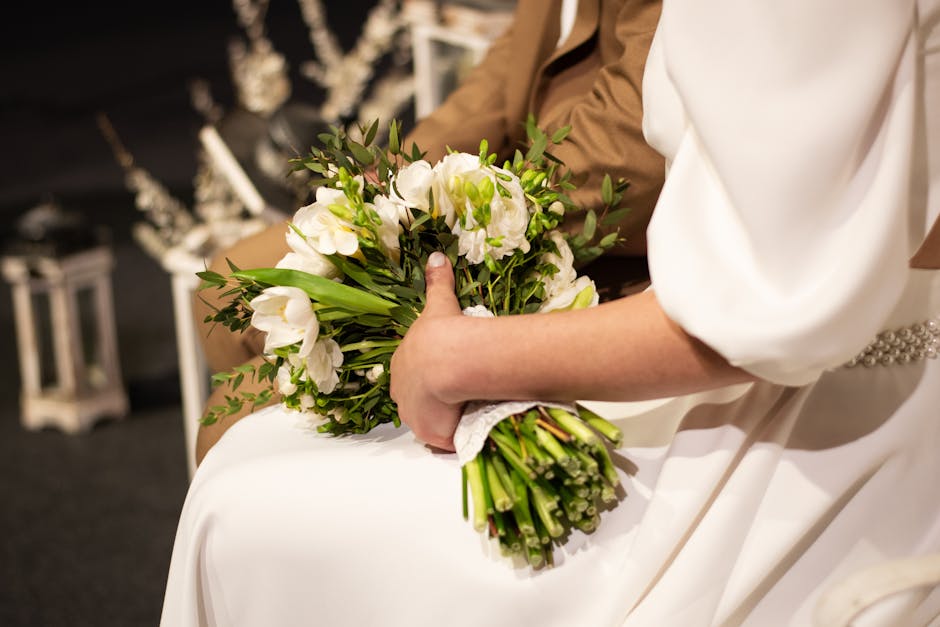
Why Keston Village wedding flowers guide for Hayes Lane couples Matters
Keston Village has a very particular feel. It is not trying to be grand in a forced way, and that is exactly why floral choices matter so much. The right wedding flowers can complement the surrounding greenery, village charm, and more intimate atmosphere without overpowering it. For Hayes Lane couples, this matters because local logistics can shape everything: travel time, packing, storage, arrival windows, and how long arrangements need to look fresh before the ceremony even starts.
Flowers are also doing more jobs than people expect. They set the tone when guests arrive. They appear in almost every important photo. They help tie together outfits, decor, and colour palette. In the nicest weddings, you notice them almost subconsciously at first, then realise later that they were quietly holding the whole visual story together. That is the magic. Not flashy, just right.
There is another reason this guide matters: wedding flowers are emotional purchases. You are not just buying stems. You are choosing a feeling. A soft ivory bouquet says something different from wild, garden-style colour. A structured rose design creates a different mood from loose seasonal blooms. If you get that decision wrong, the whole day can feel slightly off. Not ruined, obviously, but off enough that you notice it in the photos and think, hmm, maybe we should have gone the other way.
If you are still in the early planning stage, it may help to browse the broader wedding range such as wedding flowers collections or compare specific bouquet styles like bridal bouquets and bridesmaid bouquets. Looking at real product styles is often easier than staring at a blank mood board for the tenth time.
How Keston Village wedding flowers guide for Hayes Lane couples Works
At a practical level, wedding flowers work best when you start with the event itself rather than the blooms. That means thinking about venue size, ceremony timing, outfit colours, the number of attendants, and whether you want the flowers to whisper or to make a statement. Then the floral plan is built around that. Simple in theory. Slightly more fiddly in reality, as these things often are.
Most Hayes Lane couples will find the process easier if they split it into three layers:
- Personal flowers like bridal bouquets, bridesmaid bouquets, buttonholes, corsages, and flower crowns.
- Ceremony flowers such as pew ends, pedestal arrangements, entrance pieces, or focal arrangements for the registrar table or altar area.
- Reception flowers including table arrangements, top table pieces, cake flowers, and smaller decorative touches.
That structure keeps the planning grounded. It also stops the budget from disappearing into beautiful but unnecessary extras. Truth be told, wedding flower planning can get expensive if every idea gets a yes. A good florist or wedding flower plan will help you prioritise where the money actually makes the biggest visual difference.
For local couples, delivery and timing are part of the work too. Fresh flowers should be handled carefully, kept cool where possible, and placed as near to the event start as practical. If your ceremony and reception are both close to Hayes Lane, that helps. If there is a gap in the day, arrangements need a plan for safe storage. It sounds boring. It really is not, because a bouquet that is stressed before the ceremony is one nobody enjoys.
You may also want to think in terms of seasonal availability. Some flowers are easier to source naturally at certain times of year, while others may need more deliberate ordering. Seasonal choices often give you better texture, better value, and a more natural look. They can also feel less rigid. More alive, somehow.
Key Benefits and Practical Advantages
The biggest benefit of a locally informed flower plan is confidence. You are not guessing how your flowers will travel, hold, or appear in the setting. You are making choices with the venue and the day itself in mind. That is a proper advantage, especially if you are trying to keep decisions under control without losing the romance of it all.
Here are the main practical gains:
- Better visual harmony with the village setting and surrounding details.
- Less waste because the flower order matches real needs rather than wish-list overload.
- Stronger photo results through considered colour, scale, and bouquet shape.
- Smoother logistics when bouquet delivery, setup, and handling are planned properly.
- More flexibility if you choose seasonal flowers or adaptable design styles.
There is also a softer benefit that couples sometimes underestimate: flowers can calm the whole room. When the bouquet arrives and the table pieces are in place, everything suddenly feels real. The day stops being a plan and starts being an occasion. Small moment, big impact.
Another advantage is that good flower planning reduces last-minute stress. If you have already selected your wedding bouquet style, chosen your buttonholes, and know the reception arrangement plan, there is much less to scramble over on the morning. That is worth a lot, especially when the kettle is on, someone is looking for a missing tie, and the car keys have mysteriously disappeared.
To build an order that feels coherent, some couples like to anchor the design around one feature piece and then repeat its colours elsewhere. A bridal bouquet can inspire the buttonholes and bridesmaid flowers. A table centre can echo the same texture or tones. That gives the day a quiet visual rhythm without making everything match too perfectly. Matching too perfectly can feel a bit lifeless, to be fair.
Who This Is For and When It Makes Sense
This guide is especially useful if you are planning a wedding in or around Keston Village and want floral choices that feel local, thoughtful, and manageable. It is for couples who care about presentation but do not want to overcomplicate every stem. It is also for people who know the day will be busy and want the flower side of things to run on rails in the background.
It makes sense for you if any of these sound familiar:
- You want a bouquet and venue flowers that suit a village setting rather than a hotel ballroom look.
- You are balancing style with budget and need sensible priorities.
- You are deciding between classic white flowers, romantic pastels, or a more colourful garden style.
- You want the flowers to photograph well in daylight, indoors, and in mixed British weather. Because, well, British weather does what it wants.
- You need a plan that works for a short timeline or a slightly late-stage booking.
This is also relevant if you are planning a smaller ceremony, a more intimate reception, or a celebration where flowers are doing a lot of the mood-setting. In smaller weddings, the flowers can carry even more visual weight because there is less decor to hide behind.
And if you are the sort of couple who has already fallen in love with a specific flower shape, that is useful too. A rounded bouquet, a looser hand-tied design, a cascading bridal bouquet, or a crisp arrangement all create different effects. Sometimes the design you think you want changes once you picture it in real life. That is normal. Very normal.
Step-by-Step Guidance
Here is a practical way to plan your Keston Village wedding flowers without getting lost in the details.
- Start with the setting. Look at the venue style, room size, natural light, and colours already in the space. A strong floral plan starts there, not with a Pinterest fever dream.
- Choose your main floral mood. Decide whether you want elegant, romantic, modern, rustic, classic, or garden-inspired. This decision makes everything else easier.
- Pick the bouquet first. The bridal bouquet usually anchors the whole design. Once it is set, the bridesmaid bouquets, buttonholes, and table pieces can follow the same language.
- Decide on the must-have pieces. Identify what genuinely matters: bouquet, groom's buttonhole, bridesmaid bouquets, ceremony flowers, and table arrangements. If the budget is tight, this is where priorities become crucial.
- Work out colour and texture. Soft roses, lisianthus, lilies, orchids, hydrangeas, and greenery each behave differently. A florist can help blend them into a coherent look.
- Check timing and delivery. Make sure flowers arrive with enough time for setup but not so early that they sit around for hours. Timing can make or break freshness.
- Review the full wedding party list. Count buttonholes, corsages, bridesmaid bouquets, and any family flowers. People always forget one extra buttonhole. Always.
- Confirm storage and handling. Ask where the flowers will be kept before the ceremony, who will move them, and what should stay in water.
- Do a final style check. Look at everything together and ask one question: does this feel like us?
If you want to compare bouquet and arrangement styles as you work through that list, the wedding-focused pages like bridal bouquet options, bridesmaid bouquets, buttonholes, and table arrangements can make the choices feel much more concrete.
Expert Tips for Better Results
Here is where the small details start to matter. The flower design does not need to be complicated, but it does need to be considered.
Keep one focal point, not five
Choose a hero element. That might be the bouquet, the ceremony arrangement, or a statement centrepiece. When everything competes for attention, the design loses clarity. One strong idea, repeated well, usually looks more expensive than several half-finished ideas. Funny how that works.
Think about bouquet weight
Large bouquets can be gorgeous, but if they are heavy, they become awkward fast. Brides remember this more than they expect to. You want to hold the bouquet comfortably, not wrestle it like a shopping bag with ambitions. A good size is one that suits your frame and dress shape.
Match flowers to the season where possible
Seasonal blooms tend to feel fresher and often look more natural in the setting. They can also help you stretch the budget a little further. If you love a flower that is not naturally in season, it is still possible in many cases, but it may need careful sourcing and should be discussed early.
Use texture, not just colour
A bouquet with roses only can be beautiful. A bouquet with roses, lisianthus, and a little airy greenery can feel richer and more dimensional. Texture is what stops a design from looking flat in photographs, especially in soft indoor light.
Be realistic about weather
If your wedding day includes warm sun, a bit of drizzle, or plenty of movement between locations, flowers need to be chosen with resilience in mind. Some blooms are sturdier than others. A sensible florist will usually steer you toward options that will cope with the day, not just look good in the studio shot.
Ask how the flowers will be delivered and refreshed
Even a beautiful arrangement can fall short if it is not handled properly. Ask what stays in water, what is boxed, what needs immediate placement, and whether any pieces can be refreshed before the main photos. That kind of detail matters more than people think.
A quick local observation: couples in village settings often do best when they keep the design elegant rather than overbuilt. There is something about Keston Village that rewards quiet confidence. The flowers can breathe a bit. They do not need to shout.
Common Mistakes to Avoid
Most wedding flower regrets come from a few predictable places. The good news? They are easy to avoid once you know them.
- Leaving flowers too late. The best floral plans need time for sourcing and design decisions.
- Ordering without a guest count. Buttonholes, table pieces, and ceremony flowers all depend on numbers.
- Choosing flowers only by appearance online. A bloom may be beautiful, but not always practical for your season or setup.
- Forgetting transport and storage. Fresh flowers are not fond of being left in a hot car. No surprise there.
- Trying to match everything exactly. A little variation often looks more natural and more elegant.
- Splitting the budget too thinly. It is better to do fewer things well than many things poorly.
- Ignoring bouquet size in relation to dress and height. Proportion matters a lot in wedding photography.
One of the biggest mistakes, honestly, is not asking enough practical questions. People will compare colours for hours and then forget to ask how the bouquet travels from florist to venue. That is the bit that can create avoidable stress. The romance is in the final look, but the logistics are what make the romance possible.
Another common issue is underestimating how many floral pieces are needed for a visually coherent day. You do not need flowers everywhere, but if only one part of the event is dressed and the rest feels bare, the room can look slightly unfinished. It is a balancing act. A bit of restraint goes a long way.
Tools, Resources and Recommendations
You do not need a complicated toolkit to plan wedding flowers well. What you do need is a simple way to stay organised.
- Colour palette notes: keep a saved set of colours from dress swatches, venue details, and any inspiration images.
- Guest list and wedding party list: vital for counting buttonholes, bridesmaid bouquets, and family flowers.
- Venue measurements or room photos: helpful when deciding whether arrangements should feel low, tall, loose, or compact.
- Seasonal flower ideas: useful for comparing designs that suit the date naturally.
- Budget breakdown: even a rough split between personal flowers, ceremony flowers, and table flowers can keep things under control.
For browsing styles, the wedding range on the site is useful because it shows how different pieces sit together as a family of designs. If you are comparing elegant and classic looks, white wedding collections and related pieces can help. If you prefer a more romantic or expressive feel, explore options like pure romance collections or everlasting love collections.
When reviewing details, it also helps to understand the florist's practical policies. Pages such as delivery information, flower care guidance, guarantees, and returns and refund terms can be worth a read before you commit. Nobody enjoys reading policy pages, admittedly, but they can save headaches later.
Law, Compliance, Standards, or Best Practice
Wedding flowers are not heavily regulated in the way some industries are, but there are still sensible best practices to follow. In the UK, the main concerns are usually consumer clarity, safe handling, accurate ordering, and honest expectations about what is included in the service or product.
From a customer point of view, it is good practice to confirm:
- what is included in the quoted price;
- whether substitutions may be made if a specific bloom is unavailable;
- delivery timing and who is responsible for placement;
- how any wedding day changes will be handled;
- what care instructions apply once the flowers are delivered.
For best practice, the florist should be clear and consistent. You should not have to decode the plan. A wedding order should read like something real and usable, not a puzzle. If a product or collection is described one way, that description should be reflected in the actual design as closely as possible, with only sensible substitutions where necessary.
It is also wise to think about sustainability in a practical way rather than a performative one. Seasonal flowers, efficient delivery, reduced waste, and reusable mechanics where appropriate are all sensible choices. The site's sustainability information can help couples who care about the footprint of their floral choices. Not in a preachy way. Just a sensible one.
If you need help with your order or want to clarify a detail before the wedding, the safest route is to use the florist's contact page and ask directly. That simple step prevents a lot of crossed wires.
Options, Methods, or Comparison Table
Choosing the right flower style is easier when you compare it by purpose rather than just by looks. Here is a practical comparison for Hayes Lane couples planning a Keston Village wedding.
| Flower approach | Best for | Strengths | Watch-outs |
|---|---|---|---|
| Classic white and ivory | Timeless, elegant weddings | Clean photos, calm look, easy to coordinate | Can feel too plain if texture is not varied |
| Romantic pastel mix | Soft, joyful, garden-inspired celebrations | Gentle colour, flattering in natural light | Needs careful balance so it does not turn washed out |
| Bold mixed colour | Couples who want energy and personality | Memorable, lively, strong visual impact | Can clash with venue colours if not planned well |
| Minimal, structured designs | Modern or understated weddings | Sharp lines, elegant simplicity, easy to keep cohesive | Needs excellent styling to avoid looking sparse |
| Seasonal garden style | Natural, relaxed village weddings | Organic texture, flexible palette, great local feel | May require more flexibility on exact flower varieties |
There is no single right answer. Some couples want their flowers to feel almost editorial. Others want them to look as if they were gathered at dawn in a country garden. Both can work beautifully in Keston Village, provided the scale and setting are respected.
Case Study or Real-World Example
Here is a realistic example, based on the kind of brief a Hayes Lane couple might give. They wanted a wedding that felt intimate, elegant, and not overly formal. The venue had a soft village atmosphere and the couple had already chosen neutral outfits with one or two accent colours. They did not want oversized arrangements, but they did want the flowers to be memorable in photos.
The solution was simple and balanced: a bridal bouquet built around white and blush tones, bridesmaid bouquets in a slightly lighter version of the same palette, crisp buttonholes for the groom and key family members, and a handful of table arrangements that repeated the bouquet texture without feeling too matched. The result was calm, coherent, and easy to live with on the day.
What made the difference was not extravagance. It was proportion, timing, and restraint. The bouquets were sized to suit the dresses and easy to carry. The table flowers were low enough for conversation. The flower choices held together visually from ceremony to reception without needing lots of extra decoration. That is the kind of detail that photographs well and also feels good in the room.
And, to be fair, there is something lovely about arriving somewhere and seeing everything already in place. The scent, the colour, the quiet bustle just before guests arrive. You know the day has landed. No drama. Just a proper wedding, with flowers that belong there.
Practical Checklist
Use this checklist as a final planning pass. It is not glamorous, but it works.
- Confirm your wedding date and ceremony time.
- Decide on the overall floral style: classic, romantic, modern, or seasonal garden.
- Choose the bridal bouquet first.
- Count bridesmaids, groomsmen, and family members needing buttonholes or corsages.
- Decide whether you need ceremony flowers, reception flowers, or both.
- Check venue colours, room size, and natural light.
- Set a realistic budget and split it into priority areas.
- Ask about seasonal substitutions if exact stems are unavailable.
- Confirm delivery timing and who will receive the flowers.
- Ask how the flowers should be stored if there is a delay before the ceremony.
- Review care instructions for bouquets and table pieces.
- Check the final order details carefully before the wedding week.
If you tick those off properly, most of the stress disappears. Not all of it. Weddings still have a way of making the smallest thing feel dramatic. But the flowers? That part becomes manageable.
Conclusion
A thoughtful Keston Village wedding flowers guide for Hayes Lane couples is really about helping you choose flowers that fit the day, not just the idea of the day. The best wedding flowers work quietly in the background: they support the setting, flatter the photos, and help the whole celebration feel intentional. That is the sweet spot.
Start with the venue, choose the bouquet first, stay realistic about timing and budget, and let the rest of the floral plan grow from there. If you do that, you are far more likely to end up with flowers that feel personal and polished without becoming overdone. A simple, well-planned design usually outlasts the trendy one anyway.
Get a free quote today and see how much you can save.
And if you are still narrowing things down, that is perfectly fine. Good wedding planning is rarely a straight line. It is more of a gentle weave, really, and the flowers are one of the nicest parts to get right.
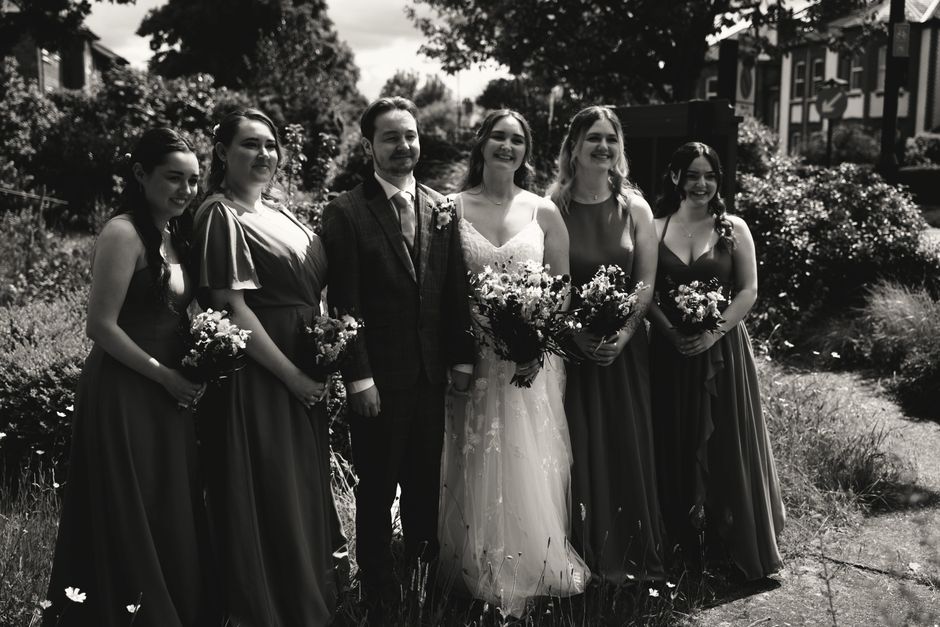
Frequently Asked Questions
What flowers work best for a Keston Village wedding?
Seasonal roses, lisianthus, lilies, orchids, hydrangeas, and soft greenery all work well, especially when the design suits the venue rather than fighting it. If you want a village feel, looser, more natural arrangements often look excellent.
How far in advance should Hayes Lane couples book wedding flowers?
As early as you reasonably can. Popular dates fill up quickly, and early booking gives you more flexibility with design, sourcing, and planning. If your wedding is soon, you can still get a good result, but the choices may be narrower.
Should I choose seasonal flowers for my wedding?
Usually, yes, if you are open to it. Seasonal flowers tend to look fresh, feel more natural, and are often easier to plan around. If you have a specific flower in mind, speak about availability early so you know what is realistic.
How many buttonholes do I need?
Count the groom, any groomsmen, fathers, grandfathers, and other close family members if you want them included. A lot of couples also add one or two extra buttonholes just in case. That little spare can save a scramble.
What is the difference between a bridal bouquet and a bridesmaid bouquet?
The bridal bouquet is usually the main design and often slightly larger or more detailed. Bridesmaid bouquets are normally smaller or simpler so they support the look without competing with it. They should feel related, not identical.
Can wedding flowers be delivered on the day?
Yes, and that is often the best approach. Fresh flowers are usually delivered as close to the event as practical so they stay in good condition. The exact timing depends on the venue, setup plan, and the flowers chosen.
How do I keep wedding flowers fresh before the ceremony?
Keep them cool, handle them gently, and follow the florist's care advice. If flowers are in water, leave them there until needed. If they need to be transported, make sure the car is not hot and the arrangements are secured properly.
Are white wedding flowers always the safest choice?
White flowers are classic and versatile, but they are not the only safe choice. Soft blush, ivory, green, or mixed palettes can be just as elegant. The best choice depends on your outfits, venue, and personal style.
What if a flower I want is not available?
A good florist will usually suggest sensible alternatives that keep the overall look intact. This is normal in wedding floristry. The goal is not to force one exact stem at any cost, but to preserve the style and quality of the arrangement.
How much of my wedding budget should go on flowers?
That depends on your priorities. Some couples want flowers to be a major feature, while others prefer to keep them focused and simple. A useful approach is to decide what is essential first, then assign budget to those pieces before adding extras.
Do I need ceremony flowers if the reception will be floral enough?
Not necessarily. If your budget is limited, personal flowers and reception table arrangements may be enough. Ceremony flowers can be beautiful, but they are optional unless they are central to your vision or the venue space really needs them.
What should I bring when discussing wedding flowers?
Bring any venue photos, outfit swatches, colour ideas, guest counts, and a rough budget. It also helps to bring notes about what you dislike. That sounds obvious, but it is one of the fastest ways to stop accidental miscommunication.


